

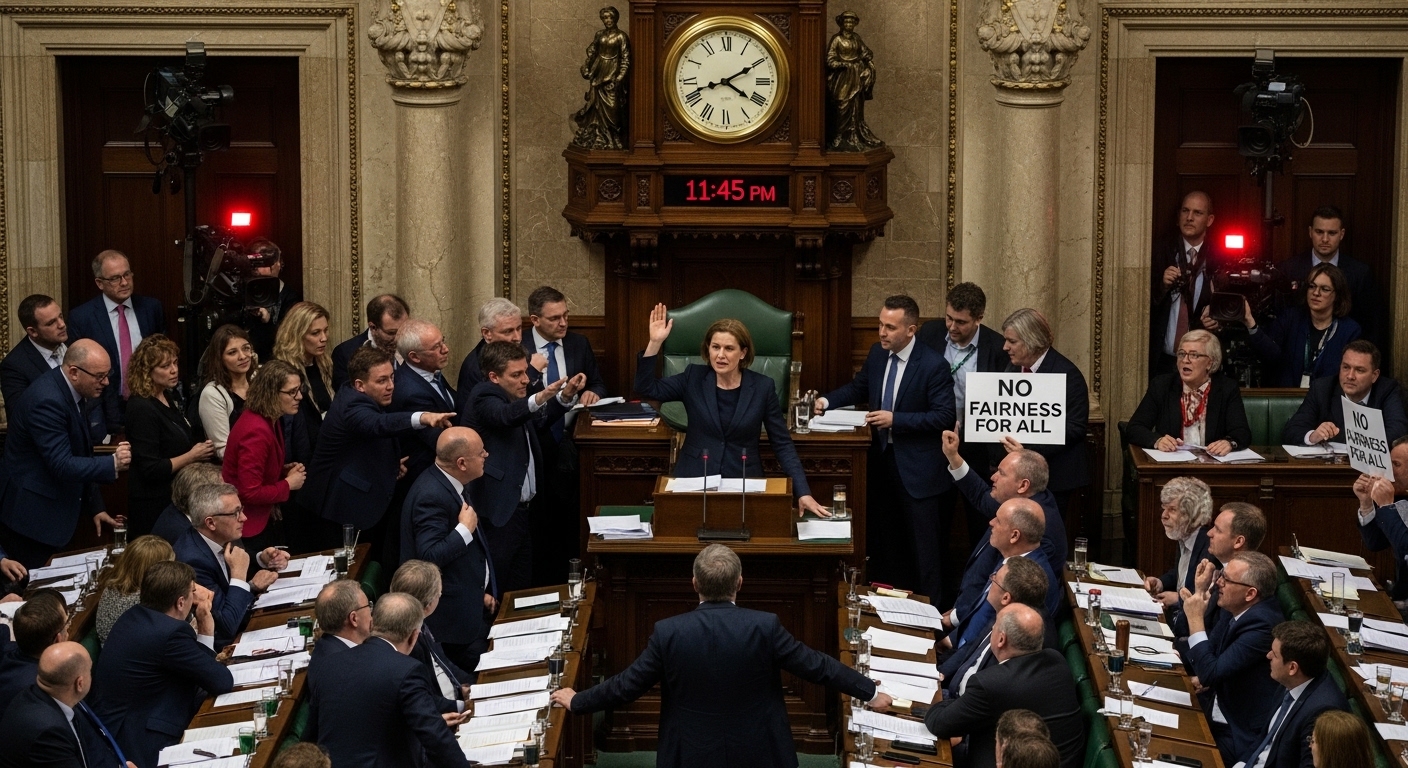
Government leaders recently introduced ambitious economic reforms designed to improve national growth, stabilize inflation, and attract foreign investment. Opposition parties strongly challenged several proposals, arguing ordinary citizens could face rising living costs and employment uncertainty. Public discussions intensified across television programs, parliamentary sessions, universities, and business communities throughout the country during ongoing political negotiations.
Economic Policy Discussions
Parliamentary Budget Negotiations
Finance ministers defended proposed tax adjustments during televised hearings, arguing reforms would stabilize inflation, attract investment, and reduce public borrowing. Opposition representatives criticized increasing consumer costs, warning vulnerable families could experience deeper hardship. Citizens followed debates closely while economists requested implementation schedules from parliamentary committees.
Public Sector Spending Concerns
Government officials promoted reduced public expenditure as necessary for economic recovery and fiscal discipline. Opposition lawmakers argued spending reductions could weaken healthcare, education, and transportation services nationwide. Community organizations expressed concerns regarding unemployment risks while financial analysts encouraged balanced policies supporting growth alongside essential social protections.
Currency Stability Arguments
Central bank advisors supported tighter monetary controls to strengthen national currency performance against international markets. Opposition leaders claimed aggressive measures might discourage local business expansion and consumer confidence. Investors monitored developments carefully while trade associations encouraged cooperative dialogue between government agencies and parliamentary representatives before approving reforms nationally.
Taxation Reform Reactions
Authorities proposed revised taxation policies intended to increase state revenue without discouraging industrial development nationwide. Opposition parties accused officials of placing additional pressure upon middle income households already facing financial uncertainty. Business groups requested gradual implementation plans while labor unions demanded stronger safeguards protecting lower earning workers.
National Debt Reduction Strategies
Government economists promoted debt reduction measures as essential for maintaining international financial credibility and attracting investors. Opposition critics argued severe austerity policies could slow domestic development projects and increase social dissatisfaction. Independent researchers recommended combining spending discipline with employment programs supporting sustainable economic expansion throughout regional communities.
Opposition Party Responses
Parliamentary Protest Campaigns
Opposition members organized parliamentary demonstrations criticizing reform proposals they considered harmful for struggling households nationwide. Government representatives defended policies as necessary for restoring economic confidence and stabilizing declining markets. Political commentators observed increasing tensions while journalists reported growing public interest surrounding televised parliamentary confrontations and policy announcements daily.
Regional Political Gatherings
Political rallies across regional cities attracted thousands discussing economic reforms and future employment opportunities nationwide. Opposition speakers accused government leaders of ignoring public concerns regarding rising consumer prices and business uncertainty. Government supporters defended modernization efforts while independent observers encouraged peaceful dialogue promoting democratic participation throughout communities and institutions.
Coalition Building Efforts
Several opposition parties formed temporary alliances aiming to challenge controversial economic reform proposals during parliamentary sessions. Government officials dismissed criticism, insisting reforms would strengthen national competitiveness and improve international investor confidence. Political analysts predicted extended negotiations while citizens awaited possible amendments addressing employment concerns and consumer protection measures.
Media Communication Strategies
Television interviews and newspaper editorials became important platforms for explaining competing economic visions to voters. Opposition representatives emphasized potential hardships affecting lower income communities while government ministers highlighted expected investment growth and fiscal stability. Media organizations hosted expert discussions helping citizens understand complicated reform proposals and parliamentary developments daily.
Youth Political Engagement
University students increasingly participated in political discussions surrounding proposed economic reforms and employment opportunities nationwide. Opposition activists encouraged demonstrations demanding stronger protections for education funding and graduate recruitment programs. Government representatives defended modernization plans while academic researchers recommended balanced reforms supporting innovation, entrepreneurship, and long term economic sustainability goals.
Public Economic Concerns
Rising Consumer Prices
Citizens expressed growing anxiety regarding increasing household expenses during ongoing economic reform negotiations nationwide. Opposition politicians argued proposed taxation changes could worsen financial pressure upon families already managing higher utility costs and transportation expenses. Government officials maintained reforms would eventually stabilize prices while economists encouraged patient public evaluation carefully.
Employment Security Debates
Workers across manufacturing, retail, and transportation sectors questioned how reforms might influence future employment stability nationwide. Opposition representatives warned certain industries could experience layoffs following proposed spending reductions and regulatory adjustments. Government ministers promised investment growth would create opportunities while labor organizations demanded stronger workplace protection policies immediately.
Small Business Challenges
Small business owners carefully monitored reform discussions because proposed policies could influence operational expenses significantly nationwide. Opposition parties claimed increased taxation and regulatory changes might discourage entrepreneurship and local investment opportunities. Government agencies defended modernization strategies while commercial associations requested financial assistance programs supporting smaller enterprises during economic transitions.
Rural Community Reactions
Agricultural communities voiced concerns regarding economic reforms affecting fuel prices, farming subsidies, and transportation infrastructure nationwide. Opposition leaders accused policymakers of prioritizing urban development over rural economic stability and agricultural productivity. Government officials defended proposed measures while farming organizations encouraged balanced strategies protecting regional industries and employment opportunities.
Household Financial Planning
Families adjusted monthly spending plans while awaiting parliamentary decisions regarding taxation and public service funding nationwide. Opposition politicians highlighted uncertainty affecting savings, education costs, and healthcare affordability among ordinary households. Financial advisors encouraged careful budgeting while government representatives promised reforms would strengthen long term economic resilience and stability.
International Economic Impact
Foreign Investment Expectations
Government leaders promoted reforms as opportunities attracting international investors seeking stable and competitive emerging markets worldwide. Opposition parties questioned whether political uncertainty surrounding parliamentary disagreements might discourage foreign business confidence temporarily. Economic consultants recommended transparent communication strategies while multinational corporations evaluated possible investment expansion opportunities carefully across industries.
Trade Partnership Discussions
International trading partners observed reform negotiations closely because policy changes could influence export competitiveness and regional cooperation agreements. Opposition representatives warned unstable political conditions might weaken diplomatic economic relationships temporarily. Government officials emphasized modernization goals while trade experts encouraged balanced reforms supporting manufacturing growth and international commercial partnerships.
Global Financial Institution Reactions
International financial organizations welcomed certain reform proposals designed to strengthen fiscal discipline and economic transparency nationwide. Opposition critics argued external institutions sometimes underestimated social consequences affecting ordinary citizens during difficult transitions. Economic analysts recommended maintaining constructive international relationships while preserving independent policymaking reflecting national development priorities and public interests.
Currency Market Responses
Currency markets reacted cautiously as investors analyzed parliamentary debates surrounding economic reform proposals nationwide. Opposition parties argued prolonged political disagreements might weaken investor confidence and create financial uncertainty across commercial sectors. Government representatives emphasized responsible policymaking while banking specialists encouraged predictable implementation schedules supporting market stability and international credibility.
Regional Economic Comparisons
Analysts compared national reform strategies with neighboring countries implementing similar modernization programs during recent years. Opposition politicians argued certain international examples demonstrated negative social consequences following aggressive spending reductions and taxation changes. Government advisors highlighted successful outcomes elsewhere while researchers recommended carefully adapting policies according to domestic economic conditions.
Government Reform Objectives
Fiscal Stability Priorities
Government ministers repeatedly emphasized fiscal stability as the central objective guiding proposed economic reform policies nationwide. Opposition representatives acknowledged financial challenges but questioned whether austerity measures would create unnecessary hardships for vulnerable populations. Economists encouraged balanced approaches combining spending discipline with targeted investments supporting employment growth and productivity improvements.
Infrastructure Development Plans
Authorities proposed infrastructure investment programs supporting transportation networks, energy production, and digital communication systems nationwide. Opposition parties questioned funding arrangements and warned excessive borrowing could increase financial pressure upon future administrations. Government planners defended modernization goals while engineering associations supported projects encouraging industrial growth and regional connectivity improvements.
Industrial Growth Strategies
Economic reform proposals included incentives encouraging manufacturing expansion, technological innovation, and industrial competitiveness nationwide. Opposition lawmakers argued certain incentives might primarily benefit wealthy corporations instead of ordinary workers and smaller businesses. Government representatives defended investment strategies while commercial experts encouraged transparent oversight ensuring fair economic participation throughout industries.
Public Service Modernization
Government officials proposed restructuring public services through digital systems and administrative efficiency measures nationwide. Opposition critics warned rapid restructuring could reduce accessibility for vulnerable communities relying upon traditional government assistance programs. Technology specialists supported modernization efforts while social organizations encouraged maintaining strong public engagement and service accountability standards.
Long Term Economic Vision
Political leaders described reforms as part of a broader strategy supporting sustainable national development and competitiveness worldwide. Opposition parties argued policymakers focused excessively upon financial targets instead of immediate social welfare concerns affecting communities. Academic researchers encouraged cooperative planning while citizens requested transparent communication regarding future economic expectations and outcomes.
Social and Political Tensions
Street Demonstrations
Large public demonstrations emerged across major cities as citizens expressed differing opinions regarding economic reform proposals nationwide. Opposition organizers criticized government policies they believed threatened employment stability and household affordability. Government supporters defended modernization objectives while security officials encouraged peaceful gatherings protecting democratic freedoms and public safety throughout communities.
Labor Union Responses
Labor unions strongly criticized proposed reforms affecting workplace protections, salaries, and retirement benefits nationwide. Opposition politicians supported union concerns while demanding broader consultation before parliamentary approval of controversial measures. Government representatives argued modernization remained necessary while employment experts recommended negotiations balancing worker protections alongside economic competitiveness and productivity goals.
Business Community Perspectives
Corporate leaders expressed cautious optimism regarding reforms potentially encouraging investment, innovation, and industrial growth nationwide. Opposition parties argued large businesses could benefit disproportionately while ordinary workers experienced financial uncertainty and reduced protections. Government officials promoted inclusive development while commercial analysts recommended transparent oversight ensuring equitable economic participation across sectors.
Academic Policy Debates
Universities hosted policy discussions examining possible economic consequences resulting from proposed parliamentary reforms nationwide. Opposition speakers emphasized social inequality concerns while government economists defended modernization strategies supporting investment and fiscal stability. Students and researchers participated actively while academic institutions encouraged evidence based analysis guiding informed public understanding and democratic engagement.
Public Opinion Surveys
Opinion surveys revealed divided national perspectives regarding economic reforms and government leadership during parliamentary negotiations nationwide. Opposition parties highlighted public dissatisfaction concerning rising living expenses and uncertain employment conditions. Government representatives emphasized long term economic benefits while polling organizations observed changing attitudes influenced by media coverage and political campaigning.
Future Economic Outlook
Short Term Economic Predictions
Financial analysts predicted temporary economic uncertainty while markets adjusted to proposed policy changes and parliamentary negotiations nationwide. Opposition representatives argued instability could damage consumer confidence and business investment during implementation periods. Government economists expected gradual improvement while independent researchers recommended careful monitoring of inflation, employment, and public spending trends.
Long Term Development Possibilities
Supporters of economic reforms argued modernization could strengthen national competitiveness and attract sustainable international investment nationwide. Opposition leaders questioned whether projected benefits would reach disadvantaged communities facing immediate financial challenges and unemployment concerns. Development specialists encouraged balanced policies promoting industrial expansion alongside social welfare protections and educational opportunities.
Political Negotiation Expectations
Parliamentary negotiations were expected to continue as government leaders and opposition parties discussed possible amendments nationwide. Opposition representatives demanded stronger consumer protections while government officials defended maintaining fiscal discipline and investment incentives. Political observers predicted compromises might emerge through extended dialogue supporting democratic cooperation and economic stability goals.
Investor Confidence Trends
Domestic and international investors carefully monitored political developments influencing future market confidence and economic stability nationwide. Opposition politicians argued prolonged disagreements might discourage commercial expansion and financial planning decisions temporarily. Government representatives emphasized predictable policymaking while banking experts recommended transparent communication strengthening credibility among investors and international institutions.
Economic Recovery Possibilities
Many economists believed successful reforms combined with political cooperation could improve long term national prosperity significantly. Opposition parties maintained reforms required stronger social protections preventing hardship among vulnerable populations during economic transitions. Government leaders encouraged public patience while development experts supported collaborative policymaking balancing growth objectives alongside community welfare priorities.
What caused opposition resistance during economic reform debates?
Opposition parties mainly criticized taxation changes, spending reductions, and possible effects upon employment opportunities nationwide.
Why did the government support economic reforms?
Government officials believed reforms would improve fiscal stability, attract investment, and strengthen long term economic growth.
How did citizens react to parliamentary debates?
Citizens followed discussions closely through media coverage, public demonstrations, and community political gatherings nationwide.
What role did international investors play during debates?
International investors monitored political stability and reform progress before making important commercial expansion decisions.
Could negotiations lead to policy compromises?
Political analysts expected compromises because both government leaders and opposition parties faced growing public pressure.
Economic reform debates continue shaping national priorities as government leaders, opposition parties, businesses, and ordinary citizens evaluate competing proposals carefully. Sustainable progress requires transparent policymaking, responsible spending, social protections, and constructive dialogue between political rivals. Balanced reforms supported by public trust can strengthen economic stability, encourage investment, and improve long term prosperity for future generations across changing global financial markets