

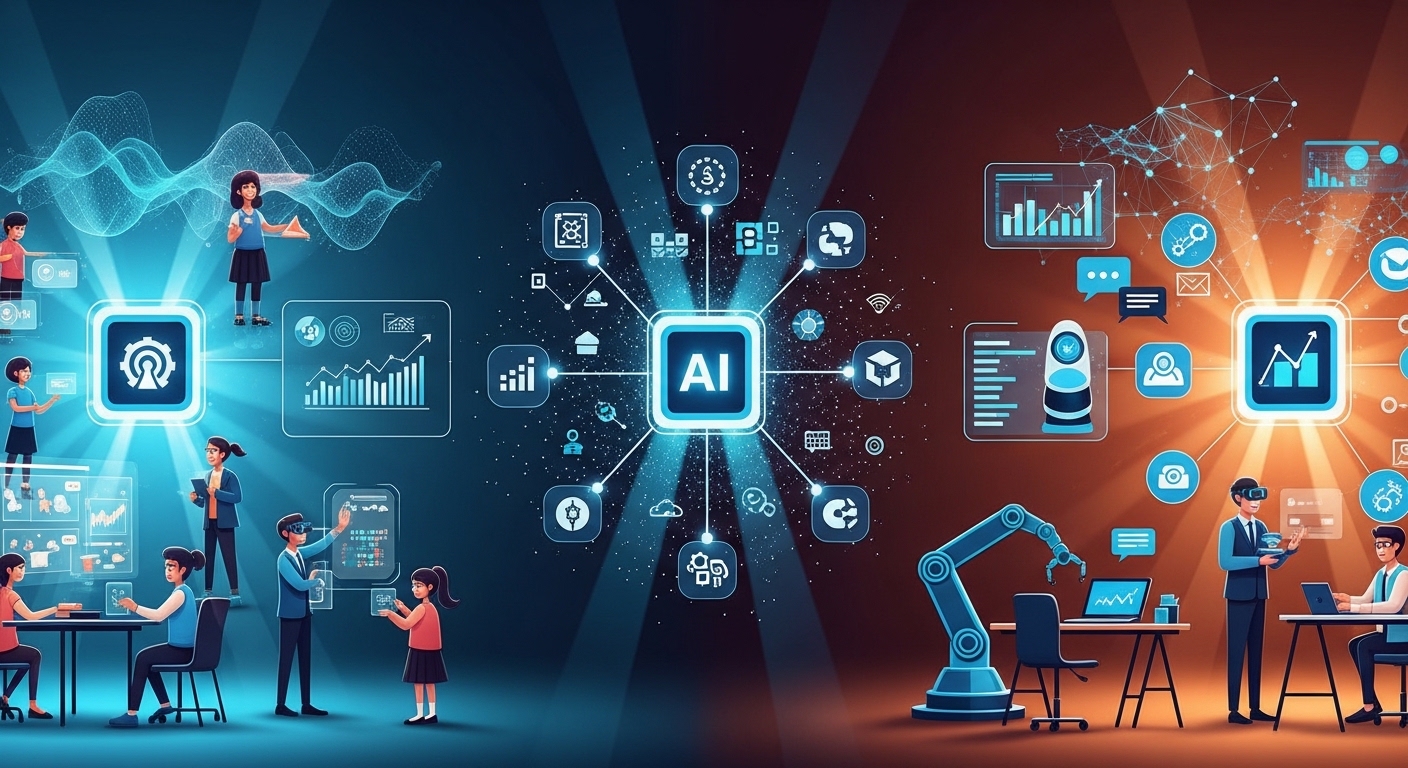
Artificial Intelligence tools are transforming modern education systems and workplace workflows by introducing automation, personalization, and data driven decision making. Schools, universities, and organizations are rapidly adopting AI based solutions to improve learning experiences, reduce manual workload, and enhance productivity. These technologies are reshaping how people teach, learn, communicate, and manage tasks in digital environments.
AI Powered Learning Platforms
Adaptive Learning Systems
Adaptive learning systems use artificial intelligence to adjust educational content based on student performance, behavior, and learning speed. These systems provide personalized lessons, track progress, and identify weak areas. Teachers benefit from insights that help improve teaching strategies and ensure better academic outcomes for students.
AI Driven Tutoring Assistants
AI driven tutoring assistants offer real time support to students by answering questions, explaining concepts, and providing practice exercises. They simulate human tutors using natural language processing, helping learners study independently. These tools are available anytime, making education accessible flexible efficient for diverse learners globally today.
Personalized Learning Paths
Personalized learning paths use AI algorithms to design customized study plans for individual student needs and abilities. They analyze performance data, adapt difficulty levels, and recommend resources to improve understanding and retention. This approach helps learners progress efficiently while achieving better academic success overall consistently.
Smart Content Recommendation Systems
Smart content recommendation systems suggest relevant learning materials based on student interests and performance history. These AI tools analyze behavior patterns to deliver personalized videos, articles, and practice tests. They enhance engagement and improve learning outcomes by providing targeted educational resources for students across platforms globally today.
Interactive Virtual Classrooms
Interactive virtual classrooms use AI to simulate real classroom experiences in online learning environments. Students can engage with teachers and peers through chatbots, video tools, and automated feedback systems. These platforms improve collaboration, increase participation, and make remote education more effective and accessible worldwide today.
Automated Content Creation Tools
AI Writing Assistants
AI writing assistants help educators and professionals generate high quality written content quickly using natural language processing. They support grammar correction, idea generation, and content structuring for various educational and business needs. This technology saves time and improves content quality across multiple workflows and industries.
Automated Video Creation Tools
Automated video creation tools use AI to produce educational videos, presentations, and training materials efficiently. They transform text into visuals, add voiceovers, and generate animations without requiring advanced editing skills. These tools enable faster content production for teachers, businesses, and online learning platforms globally today.
AI Presentation Builders
AI presentation builders automatically design slides using structured data and content inputs. They create professional layouts, suggest visuals, and organize information logically for better communication. This helps users deliver engaging presentations in less time with improved clarity and visual appeal for education and work purposes.
Content Optimization AI Systems
Content optimization AI systems improve written material for clarity, SEO performance, and audience engagement. They analyze keywords, readability, and structure to enhance content effectiveness across platforms. These systems are widely used in digital marketing, education, and professional communication workflows to improve results globally today significantly better.
Automated Research Tools
Automated research tools collect, analyze, and summarize large volumes of information using AI technology. They assist students and professionals in finding accurate data and generating insights faster. These tools reduce manual effort and improve the speed and quality of research work across industries globally today.
Personalized Student Assessment Systems
AI Based Exam Evaluation
AI based exam evaluation systems automatically grade tests and assignments with high accuracy and speed. They reduce teacher workload and ensure consistent marking standards across large student groups. These systems help institutions improve fairness, efficiency, and transparency in academic assessment processes worldwide education systems today.
Real Time Performance Tracking
Real time performance tracking systems monitor student progress continuously using AI analytics. They provide instant feedback on tests, assignments, and learning activities. Teachers use this data to adjust instruction methods and support struggling students effectively. This improves overall academic performance and learning outcomes significantly today.
Adaptive Testing Systems
Adaptive testing systems adjust question difficulty based on student responses in real time. They ensure accurate measurement of student knowledge and skills through dynamic assessment models. These systems create personalized exams that better reflect individual learning levels and capabilities improving fairness and education quality globally.
Skill Gap Analysis Tools
Skill gap analysis tools identify missing competencies in student knowledge using AI evaluation systems. They help educators design targeted learning programs to improve weak areas effectively. These tools enhance learning outcomes by focusing on individual student needs and development priorities in modern education systems worldwide usage.
Automated Feedback Systems
Automated feedback systems provide instant evaluations on student assignments and learning activities. They highlight mistakes, suggest improvements, and guide students toward better understanding. These systems improve learning efficiency and help teachers focus on personalized instruction strategies. This enhances academic performance and student engagement significantly today.
AI in Administrative Workflows
Automated Scheduling Systems
Automated scheduling systems use AI to manage timetables, meetings, and academic schedules efficiently. They reduce manual effort and prevent scheduling conflicts in schools and workplaces. These systems improve organization, save time, and ensure smooth workflow management across institutions benefiting education and business operations globally today.
Document Processing AI
Document processing AI systems automatically analyze, categorize, and store administrative documents. They reduce paperwork and improve efficiency in organizational workflows. These tools help institutions manage large volumes of data with accuracy and speed. This improves productivity and reduces operational costs significantly across organizations worldwide today.
AI Based Communication Systems
AI based communication systems streamline internal and external communication in organizations. They use chatbots, email automation, and smart routing to enhance communication efficiency. These systems ensure faster responses, better coordination, and improved decision making processes. This benefits teams and organizations across multiple sectors globally today.
Workflow Automation Platforms
Workflow automation platforms integrate AI to manage repetitive tasks and business processes. They reduce human workload and improve operational efficiency in organizations. These platforms allow businesses to streamline operations and focus on strategic decision making. This increases productivity and enhances overall performance across industries globally today.
Data Entry Automation Tools
Data entry automation tools use AI to input, process, and manage data efficiently. They eliminate manual errors and save significant time in administrative tasks. These tools improve accuracy and productivity in organizations handling large datasets. This leads to better efficiency and cost reduction globally today.
Workplace Productivity Enhancement Tools
AI Task Management Tools
AI task management tools help employees organize, prioritize, and track work activities effectively. They automate reminders, deadlines, and progress tracking for better productivity. These tools improve efficiency and ensure timely completion of tasks across teams. This enhances workplace coordination and overall performance significantly today globally.
AI Productivity Assistants
AI productivity assistants help professionals manage schedules, emails, and daily tasks efficiently. They use automation and smart suggestions to improve workflow performance. These assistants reduce workload and allow users to focus on important strategic work. This increases efficiency and supports professional growth across industries globally.
Smart Workflow Optimization Tools
Smart workflow optimization tools analyze processes and improve operational efficiency using AI. They identify bottlenecks and suggest improvements for better performance. These tools help organizations streamline operations and increase productivity across departments. This leads to better efficiency and cost savings in businesses globally today significantly.
AI Time Tracking Systems
AI time tracking systems monitor employee working hours and productivity levels automatically. They provide insights into task completion rates and time allocation. These systems help improve efficiency by identifying time wastage and optimizing schedules. This improves productivity and supports better resource management across workplaces globally.
AI Decision Support Tools
AI decision support tools analyze data and help managers make informed decisions. They provide predictive insights and recommendations based on real time information. These tools improve business outcomes by supporting accurate and timely decision making. This enhances organizational performance and strategic planning globally today significantly.
Collaboration and Communication Automation
AI Collaboration Platforms
AI collaboration platforms enable teams to work together efficiently using digital tools. They integrate messaging, file sharing, and task management in one system. These platforms improve teamwork, communication, and project coordination across organizations. This increases productivity and ensures better workflow efficiency globally across industries today.
AI Chatbots for Communication
AI chatbots for communication provide instant responses and support in organizations. They handle customer queries, internal communication, and routine tasks efficiently. These chatbots improve response time and reduce workload for employees across departments. This enhances communication efficiency and operational performance in businesses globally today significantly.
Automated Email Management Systems
Automated email management systems organize, filter, and prioritize emails efficiently. They use AI to categorize messages and reduce inbox overload. These systems improve communication efficiency and ensure important messages are not missed. This helps professionals manage emails and improve productivity significantly across organizations globally today.
Real Time Translation Tools
Real time translation tools use AI to translate languages instantly for communication. They help teams communicate across language barriers in global workplaces. These tools improve collaboration and understanding between international teams effectively. This supports global business operations and enhances productivity across industries worldwide today globally.
Virtual Meeting AI Systems
Virtual meeting AI systems enhance online meetings with transcription and automation features. They provide real time captions, summaries, and action item tracking. These systems improve communication clarity and ensure better meeting productivity. This benefits remote teams and hybrid workplaces globally across organizations today efficiently improving collaboration and outcomes significantly.
Future Skills and Ethical Considerations
AI Skill Development Programs
AI skill development programs train students and professionals in modern artificial intelligence technologies. They focus on machine learning, data science, and automation skills for future careers. These programs prepare individuals for evolving job markets and digital transformation challenges. This improves employability and career growth globally.
Ethical AI in Education
Ethical AI in education ensures fairness, transparency, and responsible use of technology. They address issues like bias, privacy, and data security in learning systems. These principles help build trust and ensure safe adoption of AI tools in classrooms. This supports responsible education systems globally today.
Future Workforce AI Skills
Future workforce AI skills focus on preparing employees for AI driven job roles. They emphasize adaptability, digital literacy, and advanced technical knowledge. These skills help workers remain competitive in rapidly changing global industries. This ensures long term career stability and growth across digital economies worldwide.
AI Policy and Regulation Awareness
AI policy and regulation awareness helps organizations comply with legal and ethical standards. They ensure responsible use of AI technologies across different sectors. These guidelines protect users and promote transparency in AI systems. This improves trust and accountability in digital environments globally across industries today.
Human AI Collaboration Future
Human AI collaboration future focuses on integrating human creativity with artificial intelligence systems. They aim to combine emotional intelligence and machine efficiency for better outcomes. These collaborations enhance productivity, innovation, and decision making in various industries. This creates balanced and efficient digital workplaces globally today.
Frequently Asked Questions
How are AI tools used in education?
AI tools are used for personalized learning, tutoring, grading, and virtual classrooms.
Do AI tools replace teachers?
No, AI supports teachers by improving efficiency but does not replace them.
How do AI tools improve workflows?
They automate tasks, reduce errors, and increase productivity in organizations.
Are AI tools expensive for schools?
Some are costly, but many affordable AI solutions are available for education.
What is the future impact of AI in work?
AI will increase automation, efficiency, and create new skill-based job opportunities.
Conclusion
Artificial Intelligence tools are reshaping education and workplace systems by improving efficiency, personalization, and communication. They help learners gain better understanding while enabling organizations to streamline workflows and reduce manual effort. As technology continues advancing, AI will play an even greater role in shaping future learning environments, professional productivity, and global digital transformation across industries worldwide.