

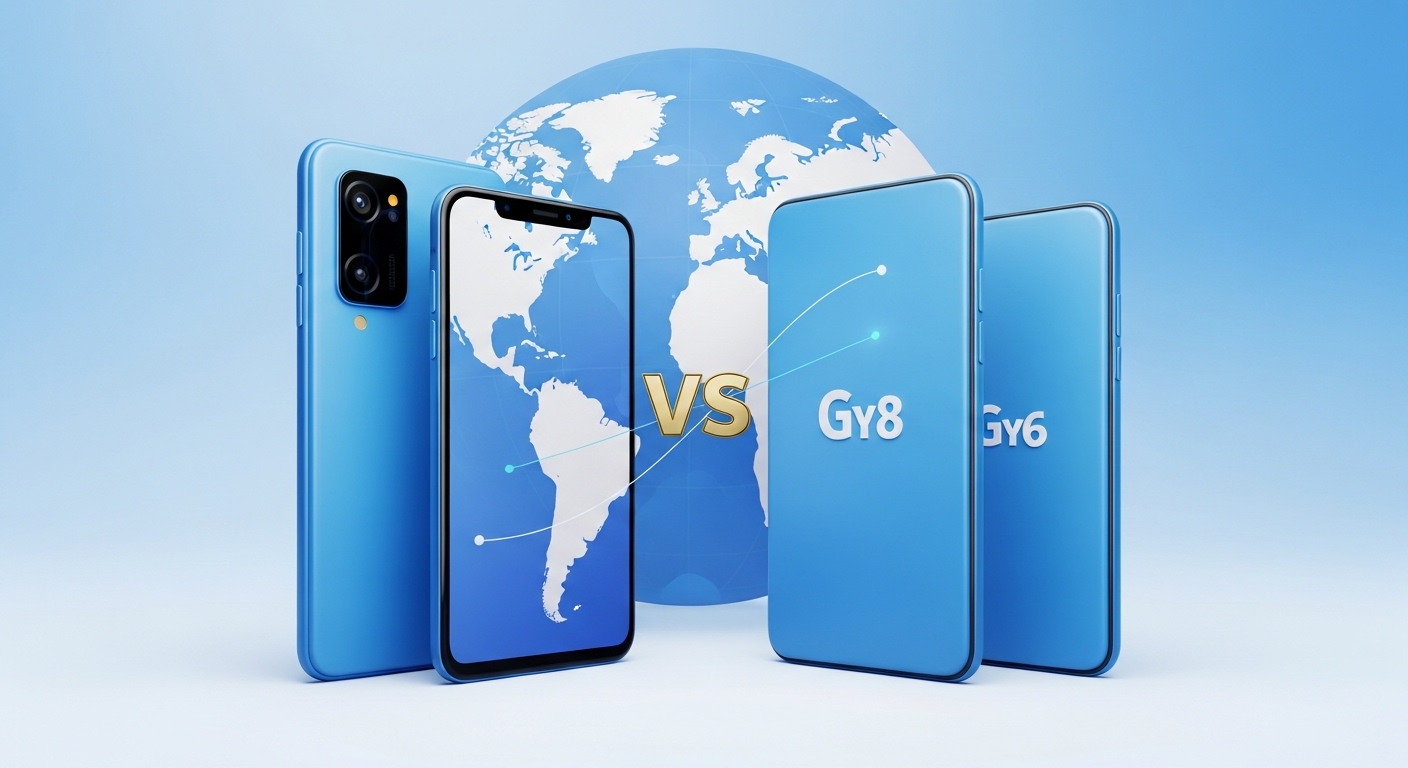
Rising competition among major technology companies has intensified in the global smartphone market as brands focus on innovation, pricing strategies, and user experience to capture consumer attention. Companies are launching advanced devices featuring powerful processors, improved cameras, artificial intelligence tools, and faster connectivity while competing aggressively across developed and emerging markets worldwide.
Global Smartphone Industry Sees Rapid Expansion
Consumer Demand Drives Market Growth
Smartphone usage continues increasing worldwide as consumers rely on mobile devices for communication, entertainment, business, and education. Rising internet penetration and affordable data plans further support demand. Tech companies are targeting diverse user groups by offering budget, mid-range, and premium smartphones to maximize global market reach and profitability effectively.
Emerging Markets Become Key Battlegrounds
Developing countries are becoming major growth zones for smartphone sales due to rising middle-class populations and digital adoption. Companies are competing heavily in Asia, Africa, and Latin America by offering affordable yet feature-rich devices. Localized marketing strategies and distribution networks are helping brands strengthen their presence in these fast-growing regions.
Premium Segment Experiences Strong Rivalry
High-end smartphone competition is intensifying as companies introduce flagship devices with cutting-edge technology. Features like foldable screens, advanced AI cameras, and high-performance chipsets are attracting premium users. Brands are also focusing on ecosystem integration, offering seamless connectivity between phones, laptops, and wearable devices to increase customer loyalty.
Online Sales Channels Expand Rapidly
E-commerce platforms are playing a major role in smartphone distribution as consumers prefer convenient online purchasing. Companies are partnering with digital retailers and launching exclusive online models. Flash sales, discounts, and financing options are helping brands boost sales while increasing competition in the digital marketplace significantly across global regions.
Innovation Becomes Core Competitive Strategy
Technology companies are investing heavily in research and development to introduce innovative smartphone features. Artificial intelligence, 5G connectivity, battery efficiency, and camera improvements are key focus areas. Continuous innovation is essential for maintaining market share as consumers quickly shift toward brands offering better performance and advanced capabilities.
Major Tech Companies Intensify Rivalries
Apple Maintains Strong Premium Position
Apple Inc. continues dominating the premium smartphone segment with its iPhone lineup, known for strong ecosystem integration and high-quality performance. The company focuses on hardware-software optimization and brand loyalty, maintaining steady global demand despite higher price points compared to competitors in various international markets.
Samsung Expands Global Device Portfolio
Samsung Electronics competes across all price segments by offering flagship Galaxy devices, foldable phones, and budget-friendly models. Its wide product range allows strong presence in both developed and emerging markets. The company emphasizes display technology innovation and camera improvements to attract diverse consumer groups globally.
Xiaomi Gains Strong Price Advantage
Xiaomi Corporation has rapidly expanded by offering high-spec smartphones at competitive prices. The company targets price-sensitive markets while improving premium features in newer models. Its aggressive pricing strategy and online-first sales approach have helped it gain significant market share in Asia and Europe.
Google Focuses on Software Integration
Google LLC competes in the smartphone space through its Pixel devices, emphasizing clean software experience and advanced AI features. The company integrates hardware with its Android ecosystem, offering timely updates and intelligent features that appeal to users seeking seamless digital experiences.
Huawei Strengthens Technological Independence
Huawei Technologies continues investing in smartphone innovation, particularly in camera systems and chip development. Despite international challenges, the company focuses on building its own ecosystem and operating systems. Huawei remains a strong competitor in China and selected global markets through technological advancement and local support.
Innovation Trends Shape Smartphone Competition
Artificial Intelligence Enhances Device Performance
AI integration is becoming a major focus for smartphone manufacturers, improving photography, voice assistance, battery management, and user personalization. Companies are developing smarter devices that adapt to user behavior. This trend is reshaping consumer expectations and increasing competition among brands offering advanced AI-powered mobile experiences.
Camera Technology Becomes Key Differentiator
Smartphone cameras are a major selling point, with companies investing in multi-lens systems, night photography, and zoom capabilities. Influencer culture and social media usage have increased demand for professional-quality mobile photography. Brands compete heavily by improving image processing and introducing AI-enhanced camera features for better visual output.
Foldable and Flexible Displays Expand
Foldable smartphones are emerging as a new innovation frontier, offering larger screens in compact designs. Companies are experimenting with durability, hinge technology, and usability improvements. Although still premium-priced, foldable devices are gaining attention as a symbol of technological advancement and future smartphone design evolution.
5G Connectivity Boosts Market Competition
The global rollout of 5G networks has intensified competition as companies race to provide compatible devices. Faster internet speeds enable improved gaming, streaming, and cloud services. Smartphone manufacturers are integrating advanced 5G chips to ensure better connectivity, making it a critical feature in purchasing decisions worldwide.
Battery and Charging Innovations Improve
Fast charging and long-lasting batteries are essential competitive factors in the smartphone market. Companies are introducing ultra-fast charging technologies and energy-efficient processors. Consumers increasingly prioritize battery performance, pushing manufacturers to develop safer, faster, and more durable energy solutions for everyday mobile usage.
Regional Markets Influence Global Strategies
Asia-Pacific Leads Smartphone Consumption
The Asia-Pacific region remains the largest smartphone market due to population size and digital adoption. Companies focus heavily on India and China, where demand for affordable smartphones is high. Local manufacturing and tailored product strategies help brands expand their market share in this competitive region.
North America Focuses on Premium Devices
Consumers in North America prefer high-end smartphones with advanced features and strong ecosystem integration. Companies compete through brand loyalty, innovation, and service quality. Carrier partnerships and installment plans also play a major role in driving smartphone sales across this developed market.
Europe Emphasizes Privacy and Quality
European consumers prioritize privacy features, durability, and product quality. Smartphone companies must comply with strict regulations while offering secure and reliable devices. Competition is strong among premium and mid-range segments, with emphasis on long-term software support and environmental sustainability initiatives.
Africa Shows Rapid Growth Potential
Africa is emerging as a fast-growing smartphone market due to increasing mobile connectivity and digital services. Affordable smartphones are in high demand, especially in urban areas. Companies are investing in distribution networks and localized pricing strategies to expand their presence across the continent.
Latin America Adopts Budget-Friendly Devices
Latin American markets are driven by demand for affordable smartphones with essential features. Economic factors influence purchasing decisions, leading companies to focus on cost-effective models. Brands compete through pricing flexibility, financing options, and partnerships with local retailers to strengthen regional market penetration.
Marketing Strategies Define Brand Success
Digital Advertising Shapes Consumer Choices
Smartphone companies heavily rely on digital marketing campaigns across social media platforms and online channels. Influencer partnerships and targeted ads help brands reach younger audiences. Creative storytelling and product demonstrations play a key role in shaping consumer perceptions and purchase decisions globally.
Celebrity Endorsements Increase Brand Value
Many companies use celebrity endorsements to strengthen brand recognition and attract wider audiences. Popular figures promote smartphone features, influencing consumer trust and engagement. This strategy helps brands stand out in a highly competitive market where emotional connection often drives purchasing behavior.
Trade-In Programs Encourage Upgrades
Trade-in offers allow consumers to exchange old devices for discounts on new smartphones. This strategy increases customer retention and encourages frequent upgrades. Companies benefit by maintaining steady sales cycles while promoting sustainability through device recycling and reduced electronic waste.
Online Launch Events Gain Popularity
Virtual product launches have become a standard marketing approach, allowing companies to reach global audiences instantly. Live-streamed events showcase new smartphone features and innovations. This digital strategy reduces costs while maximizing global visibility and consumer engagement.
Retail Partnerships Expand Accessibility
Smartphone brands collaborate with retail stores and telecom operators to expand distribution networks. Physical stores allow customers to experience devices before purchase. These partnerships improve accessibility and strengthen brand presence in both urban and rural markets.
Future Smartphone Market Outlook Remains Competitive
Artificial Intelligence Will Dominate Future Devices
AI-driven smartphones are expected to become more advanced, offering deeper personalization and automation. Future devices may anticipate user needs and improve productivity. Companies investing in AI research are likely to gain a strong competitive advantage in upcoming market cycles.
Sustainability Becomes a Key Priority
Environmental concerns are pushing smartphone companies to adopt sustainable manufacturing practices. Recyclable materials, energy-efficient production, and longer device lifecycles are becoming important factors. Consumers increasingly prefer eco-friendly brands, influencing future product development strategies.
Subscription-Based Models May Expand
Some companies are exploring subscription-based smartphone services where users pay monthly for devices and upgrades. This model could change traditional purchasing patterns and increase customer loyalty while ensuring continuous revenue streams for manufacturers.
Global Regulations Shape Industry Growth
Governments are introducing stricter regulations regarding data privacy, device safety, and environmental impact. Smartphone companies must adapt to these rules while maintaining innovation. Compliance will play a significant role in shaping future global competition.
Continuous Innovation Drives Market Leadership
The smartphone industry will remain highly competitive as companies continue investing in new technologies. Success will depend on innovation speed, user experience, and ecosystem integration. Brands that adapt quickly to changing consumer needs will dominate future global markets.
FAQs
Why is competition increasing in the smartphone market?
Because companies are launching advanced features and targeting global consumers aggressively.
Which companies dominate the smartphone industry?
Apple, Samsung, Xiaomi, Google, and Huawei are major competitors globally.
What is the biggest trend in smartphones today?
Artificial intelligence and camera innovation are the strongest trends.
Which region has the largest smartphone demand?
Asia-Pacific leads due to high population and strong digital adoption.
How are companies attracting customers?
Through pricing strategies, online marketing, trade-in offers, and innovation.
The global smartphone market continues evolving rapidly as tech giants compete through innovation, pricing strategies, and ecosystem expansion. Consumer demand, regional growth, and technological advancements are shaping industry direction. Future competition will depend on AI development, sustainability efforts, and digital integration. Companies that deliver value, performance, and innovation will lead the global smartphone industry successfully.