

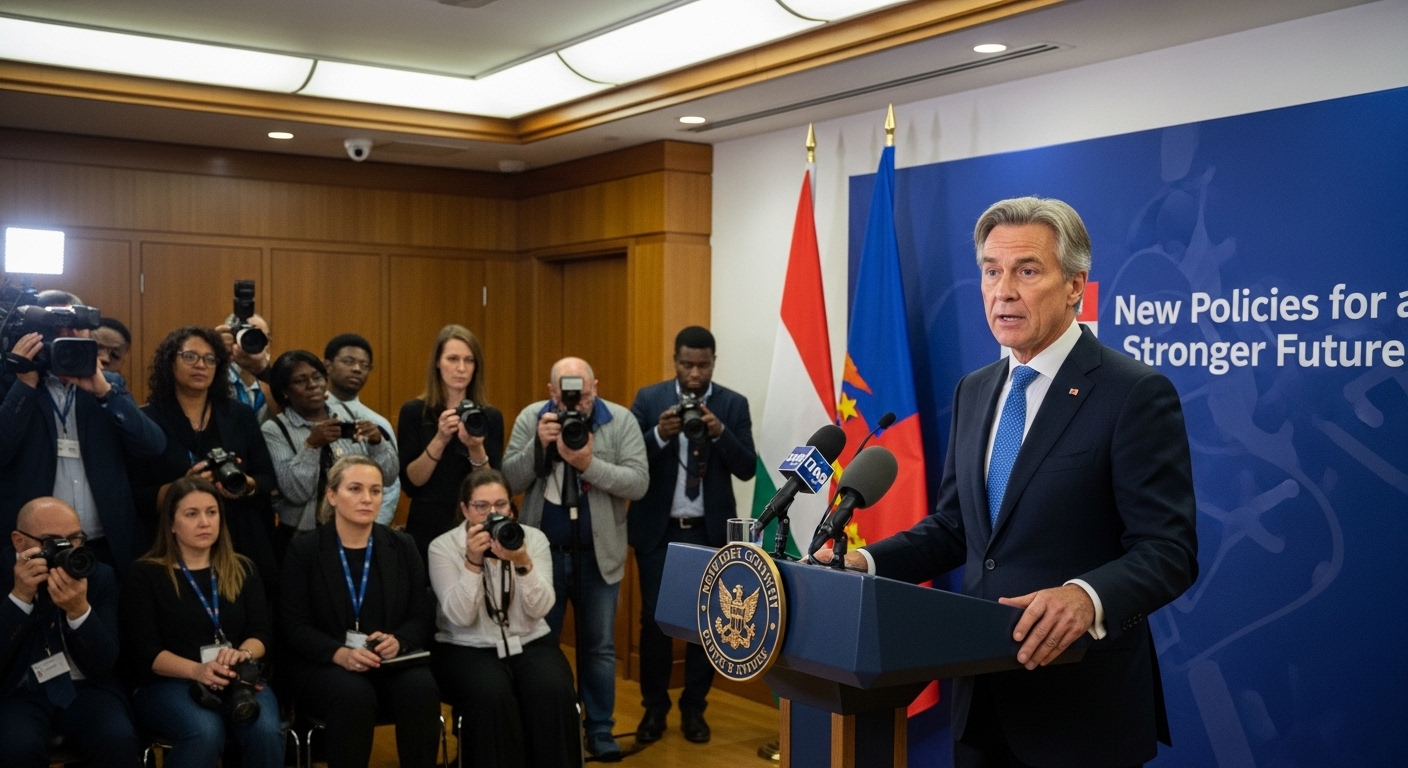
Prime Minister Announces New Policies Before Elections has become a widely discussed political development throughout the country. Citizens, journalists, economists, and opposition leaders are analyzing every announcement carefully before upcoming national voting begins. Supporters describe these reforms as necessary progress, while critics question timing, financial feasibility, administrative readiness, and future implementation promises nationwide.
Economic Reform Strategies
Tax Relief Measures
The prime minister introduced revised tax relief measures aimed at supporting middle income families struggling with inflation and rising household expenses. Officials believe reduced taxation will encourage consumer spending, improve financial stability, and increase economic activity before elections. Critics, however, remain concerned about possible impacts on national revenue generation.
Employment Growth Plans
Government representatives announced several employment growth plans designed to create opportunities for young graduates and skilled workers across urban and rural communities. These initiatives include vocational training programs, industrial incentives, and technology investments. Analysts suggest successful implementation could improve public confidence while reducing unemployment challenges nationwide significantly.
Small Business Support
The administration revealed expanded financial assistance packages for small businesses affected by economic uncertainty and increasing operational expenses recently. Loan accessibility, reduced registration fees, and simplified licensing processes are expected to encourage entrepreneurship nationwide. Many independent business owners welcomed these policies while requesting stronger monitoring and transparent distribution mechanisms.
Infrastructure Development Goals
Large infrastructure development projects remain central within the government’s election strategy before nationwide campaigning officially intensifies further. Authorities announced investments targeting transportation systems, highways, public hospitals, and energy facilities. Officials believe improved infrastructure will stimulate economic activity, strengthen investor confidence, and create sustainable employment opportunities throughout multiple regions successfully.
Agricultural Assistance Programs
New agricultural assistance programs were introduced to support farmers experiencing difficulties caused by climate conditions and rising production expenses nationwide. Subsidized fertilizers, irrigation improvements, and machinery financing form important parts within these initiatives. Rural communities largely appreciated governmental attention while requesting quicker implementation and stronger protection against unpredictable market fluctuations.
Public Welfare Initiatives
Healthcare Expansion Policies
Healthcare expansion policies announced before elections focus heavily on improving medical accessibility within underserved urban and rural communities nationwide. Government officials promised additional hospitals, upgraded emergency services, and affordable medicine distribution programs. Citizens welcomed these healthcare commitments while expressing concerns regarding staffing shortages, funding availability, and implementation transparency throughout facilities.
Educational Improvement Programs
Educational improvement programs introduced recently aim to modernize public institutions while improving learning opportunities for students nationwide. Authorities pledged investments supporting teacher training, classroom technology, scholarship expansion, and updated educational materials. Parents and educators appreciated these announcements but emphasized the importance of accountability, monitoring systems, and equitable resource distribution practices.
Housing Assistance Measures
The government announced affordable housing assistance measures designed to support lower income families struggling with increasing property costs nationwide. Proposed policies include reduced mortgage interest rates, housing subsidies, and partnerships with private developers. Analysts believe these initiatives may improve voter confidence while addressing long standing concerns surrounding urban housing shortages.
Pension Security Reforms
Pension security reforms introduced before elections aim to provide stronger financial protection for retired citizens facing rising living expenses nationwide. Authorities proposed increased pension payments, improved digital services, and simplified administrative procedures. Senior citizens appreciated these commitments while requesting clear implementation timelines and sustainable funding guarantees from government institutions.
Social Protection Expansion
The administration also announced broader social protection expansion initiatives targeting vulnerable households affected by economic pressures nationwide. Officials promised increased welfare payments, food assistance programs, and emergency financial support systems. Community organizations welcomed these developments while emphasizing transparency, efficient management, and fair access for deserving families across multiple regions.
Political Campaign Strategies
Public Rally Engagement
Public rallies organized by the ruling administration have become increasingly important for promoting newly announced policies before elections. Senior political leaders regularly address large audiences while highlighting economic achievements, welfare reforms, and development projects. Supporters view these gatherings positively, although opposition parties criticize campaign spending and political messaging strategies.
Media Communication Approaches
Government communication teams intensified media outreach efforts to explain recently announced reforms before election campaigns accelerate nationwide. Television interviews, newspaper statements, and digital advertisements emphasize promises regarding employment, healthcare, and infrastructure development. Political observers believe effective communication strategies could significantly influence undecided voters during the approaching electoral period successfully.
Youth Voter Outreach
Youth voter outreach campaigns remain central within the administration’s broader electoral strategy before upcoming national elections begin. Officials introduced student focused programs, technology initiatives, and employment incentives intended to attract younger demographics. Political analysts believe younger voters may influence electoral outcomes significantly because of increasing participation and widespread social media engagement.
Coalition Building Efforts
Coalition building efforts have intensified as political parties attempt strengthening alliances before nationwide elections officially commence. Government representatives continue negotiations with regional leaders and independent lawmakers regarding shared priorities and electoral cooperation. Observers suggest successful partnerships may improve parliamentary stability while expanding political influence throughout strategically important constituencies across the country.
Opposition Response Strategies
Opposition parties responded aggressively to government announcements by questioning policy timing, affordability, and implementation capabilities before elections. Critics argue many promises resemble campaign strategies rather than sustainable reforms addressing long term national concerns. Political debates between government representatives and opposition leaders continue attracting substantial public attention across traditional and digital media.
National Security Priorities
Border Protection Measures
Border protection measures announced recently emphasize stronger surveillance systems, increased security personnel deployment, and enhanced coordination between national agencies nationwide. Government officials believe these strategies will improve national safety while preventing illegal activities near sensitive regions. Security analysts supported modernization efforts but requested additional transparency regarding operational procedures and expenditures.
Cybersecurity Enhancement Plans
Cybersecurity enhancement plans introduced before elections focus heavily on protecting government institutions, financial systems, and communication networks nationwide. Authorities proposed investments supporting digital monitoring technologies, specialized training programs, and stronger legal frameworks against cybercrime. Experts welcomed these measures while emphasizing continuous upgrades because technological threats evolve rapidly globally today.
Counterterrorism Policy Updates
The administration announced updated counterterrorism strategies aimed at improving intelligence coordination and preventing extremist activities nationwide effectively. Officials highlighted partnerships between security agencies, regional authorities, and international organizations supporting national stability efforts. Citizens generally supported stronger protections while civil rights advocates requested careful oversight regarding surveillance powers and enforcement procedures.
Defense Modernization Initiatives
Defense modernization initiatives announced before elections include advanced equipment procurement, military training improvements, and stronger technological capabilities nationwide. Government leaders argued modernization remains essential for protecting sovereignty and maintaining regional stability. Defense experts appreciated investment commitments while recommending transparent procurement processes and balanced budgeting priorities for long term sustainability purposes.
Emergency Response Preparedness
Emergency response preparedness programs introduced recently focus on strengthening disaster management systems and public safety coordination nationwide. Authorities promised additional rescue equipment, communication technologies, and specialized training for emergency personnel. Communities vulnerable to floods and earthquakes welcomed these initiatives while requesting faster implementation and improved cooperation between regional government departments.
Environmental Policy Developments
Renewable Energy Investments
Renewable energy investments announced before elections highlight the government’s commitment toward sustainable development and reduced environmental dependence on fossil fuels nationwide. Officials introduced solar energy projects, wind power expansion, and incentives encouraging private sector participation. Environmental experts praised these policies while requesting clearer implementation frameworks and measurable sustainability targets immediately.
Climate Change Commitments
Climate change commitments introduced recently focus on reducing carbon emissions, improving conservation practices, and supporting environmentally responsible industrial development nationwide. Government representatives emphasized international cooperation alongside domestic sustainability projects targeting long term environmental protection. Activists appreciated these announcements while demanding stricter regulations against pollution and environmental violations throughout industries.
Water Conservation Programs
Water conservation programs announced before elections aim to address increasing shortages affecting agricultural and urban communities nationwide significantly. Authorities proposed improved irrigation systems, reservoir expansion projects, and public awareness campaigns encouraging responsible consumption practices. Environmental specialists supported these initiatives while stressing the importance of long term planning and consistent resource management.
Urban Pollution Reduction
Urban pollution reduction measures introduced recently focus heavily on transportation emissions, industrial waste management, and cleaner public spaces nationwide. Government officials promised stricter environmental regulations, expanded public transportation systems, and investments supporting environmentally friendly technologies. Residents appreciated these initiatives while requesting stronger enforcement mechanisms against industries violating environmental standards consistently.
Forest Preservation Efforts
Forest preservation efforts announced before elections emphasize reforestation campaigns, wildlife protection, and sustainable land management strategies nationwide. Authorities pledged cooperation with environmental organizations and local communities supporting conservation projects across vulnerable regions. Environmental advocates welcomed governmental attention while requesting stronger monitoring systems preventing illegal deforestation and habitat destruction activities.
International Relations Agenda
Trade Partnership Expansion
Trade partnership expansion remains an important priority within the government’s foreign policy agenda before elections nationwide. Officials announced negotiations supporting improved export opportunities, regional cooperation, and international investment growth. Economic analysts believe stronger trade relationships may enhance national development while increasing employment opportunities across manufacturing and agricultural industries significantly further.
Diplomatic Cooperation Initiatives
Diplomatic cooperation initiatives introduced recently focus on strengthening political relationships with neighboring countries and international organizations worldwide. Government representatives emphasized peaceful dialogue, economic collaboration, and shared security interests supporting regional stability. Foreign policy experts appreciated these commitments while highlighting the importance of balanced diplomacy during changing global political conditions today.
International Investment Policies
The administration announced revised international investment policies aimed at attracting foreign companies and encouraging economic growth nationwide. Proposed reforms include simplified regulations, investor protections, and infrastructure support for multinational businesses. Analysts suggested increased investment may strengthen industrial productivity while creating employment opportunities across several developing sectors within the national economy.
Regional Security Collaboration
Regional security collaboration initiatives announced before elections emphasize stronger partnerships with neighboring nations addressing shared security challenges effectively. Government officials highlighted intelligence sharing, border cooperation, and coordinated counterterrorism efforts supporting regional stability. Security experts welcomed these policies while encouraging consistent diplomatic engagement and transparent communication between participating countries regularly further.
Overseas Citizen Engagement
Overseas citizen engagement programs introduced recently focus on strengthening connections between expatriate communities and national institutions worldwide. Authorities announced investment incentives, digital services, and voting accessibility improvements for citizens living abroad. Political observers believe stronger engagement with overseas populations may increase national unity while supporting broader economic and diplomatic objectives.
Election Impact Analysis
Public Opinion Trends
Public opinion trends surrounding newly announced policies continue evolving as elections approach nationwide steadily. Surveys indicate mixed reactions regarding economic reforms, welfare initiatives, and national security strategies. Supporters praise governmental ambition and planning efforts, while critics remain skeptical about implementation capabilities, financial sustainability, and political motivations behind recent announcements overall.
Media Coverage Influence
Media coverage has significantly influenced public understanding of government announcements before upcoming national elections begin. Television networks, newspapers, and digital platforms continuously analyze policy details, campaign speeches, and opposition criticism. Communication experts believe balanced reporting remains essential because media narratives often shape voter perceptions and political discussions across communities nationwide.
Economic Forecast Expectations
Economic forecast expectations remain closely connected with the success of recently announced government policies before elections nationwide. Financial analysts predict moderate economic growth if proposed reforms receive effective implementation and investor confidence improves. However, concerns regarding inflation, budget deficits, and global economic uncertainty continue influencing discussions among economists and business leaders.
Voter Participation Predictions
Political observers predict increased voter participation because newly announced policies generated widespread public debate before elections nationwide. Younger voters, urban professionals, and rural communities appear particularly engaged regarding economic reforms and welfare commitments. Analysts suggest higher participation rates could significantly influence electoral outcomes and parliamentary representation across multiple constituencies this year.
Long Term Political Consequences
Long term political consequences resulting from these policy announcements may continue shaping national governance beyond upcoming elections significantly. Successful implementation could strengthen public trust and governmental credibility, while unmet promises may increase dissatisfaction among voters. Political analysts believe accountability, transparency, and administrative performance will ultimately determine lasting electoral and political impacts.
What are the main goals behind these new policies?
The government aims to improve economic stability, public welfare, infrastructure development, and voter confidence before elections.
Why are opposition parties criticizing these announcements?
Opposition leaders argue many promises appear politically motivated and financially difficult to implement effectively.
How could these policies affect young voters?
Employment programs, education reforms, and technology initiatives may increase support among younger demographics nationwide.
Are the economic reforms expected to succeed?
Analysts believe success depends heavily on transparency, funding availability, and efficient long term implementation strategies.
Why is public opinion divided regarding these policies?
Supporters view reforms positively, while critics question timing, affordability, and realistic administrative execution nationwide.
Conclusion
Prime Minister Announces New Policies Before Elections continues shaping political discussions, economic expectations, and voter opinions throughout the country. Government officials believe these reforms will strengthen public confidence and encourage national progress before elections. However, opposition criticism, financial concerns, and implementation challenges remain important factors influencing public perception. Ultimately, electoral outcomes may depend upon transparency, accountability, and successful policy execution nationwide.