

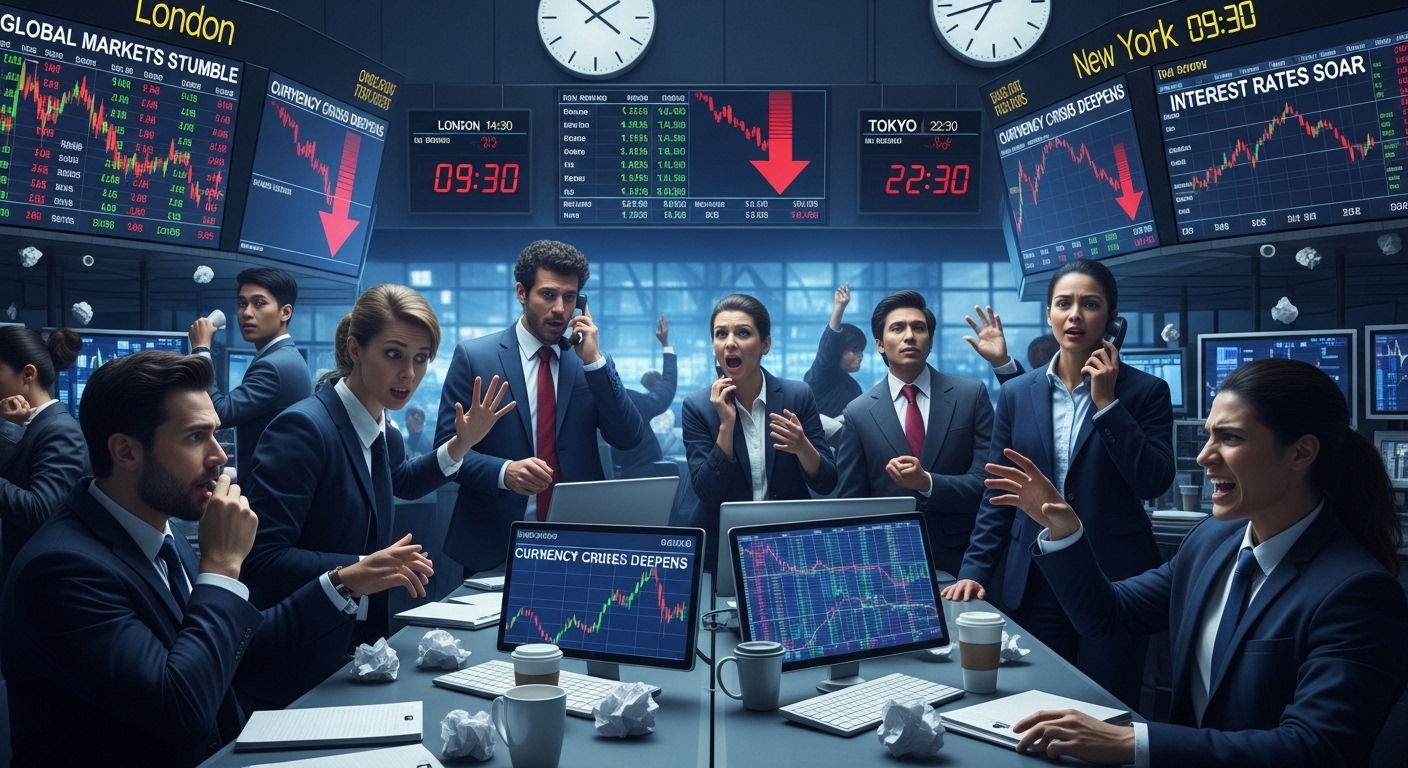
International Markets React After Major Economic Changes has become a major topic among investors, economists, financial institutions, and political analysts worldwide. Stock exchanges, currency markets, and global trade sectors experienced noticeable shifts following unexpected economic reforms announced by leading governments. Businesses and consumers are carefully observing market behavior while experts evaluate potential long term financial consequences internationally.
Global Stock Market Responses
Investor Confidence Changes
International investors reacted quickly after major economic changes created uncertainty across financial markets worldwide recently. Many shareholders adjusted investment strategies because fluctuating economic conditions affected confidence regarding future profitability and business growth. Analysts observed increased trading activity as investors attempted protecting assets while evaluating potential opportunities emerging internationally further.
Technology Sector Performance
Technology companies experienced mixed market performance following significant economic announcements affecting international financial stability recently. Several firms benefited from increased digital demand and innovation investments, while others faced declining valuations because uncertain regulations influenced investor expectations. Market experts continue monitoring technology shares closely due to their global economic importance today.
Banking Industry Reactions
International banking institutions responded cautiously after governments introduced major economic reforms impacting financial regulations and interest rate expectations worldwide. Investors analyzed banking sector stability because policy adjustments influenced lending conditions, liquidity management, and profitability forecasts. Financial experts emphasized careful monitoring while predicting possible long term restructuring across international banking systems further.
Energy Market Volatility
Energy markets experienced substantial volatility following economic changes that influenced production costs, trade agreements, and international supply expectations recently. Oil and gas companies reacted differently depending upon regional policies and consumer demand forecasts. Analysts believe continued uncertainty may affect pricing structures, investment strategies, and energy security discussions globally further.
Manufacturing Sector Adjustments
Manufacturing industries worldwide adjusted operations after economic reforms altered import regulations, labor costs, and production expectations significantly. Several companies announced revised expansion plans while others reconsidered supply chain partnerships because market conditions changed rapidly. Economists suggest manufacturing stability will depend heavily upon international cooperation and consistent trade policies moving forward.
Currency Market Developments
Exchange Rate Fluctuations
Currency markets reacted immediately after major economic changes caused fluctuations among leading international exchange rates recently. Investors closely monitored national currencies because uncertainty surrounding inflation, trade balances, and interest rates influenced trading activity significantly. Financial experts expect continued volatility while governments attempt stabilizing domestic and international monetary conditions carefully further.
Central Bank Responses
Central banks worldwide introduced policy discussions following economic reforms that affected international financial confidence recently. Authorities considered adjusting interest rates, liquidity measures, and monetary strategies to maintain economic stability and investor trust. Economists believe coordinated central bank actions may reduce uncertainty while supporting sustainable growth throughout global financial markets further.
Emerging Market Pressures
Emerging economies faced increased pressure after major economic changes influenced capital flows and foreign investment decisions internationally. Several developing nations experienced currency depreciation and rising inflation concerns because investors shifted assets toward safer markets. Analysts emphasized the importance of economic resilience and policy coordination for protecting financial stability during uncertainty.
Inflation Concerns Worldwide
Global inflation concerns intensified following economic changes that affected production costs, transportation expenses, and consumer purchasing power recently. Businesses adjusted pricing strategies while households faced increasing financial pressure because living expenses continued rising internationally. Economists warned that uncontrolled inflation could weaken economic growth and reduce long term market confidence significantly further.
International Trade Currency Effects
International trade activities experienced currency related challenges after economic reforms altered exchange rate stability worldwide. Exporters and importers faced unpredictable costs because fluctuating currencies affected purchasing agreements and financial planning decisions. Trade specialists recommended stronger hedging strategies while encouraging governments to improve coordination supporting stable cross border commercial activities further.
Trade And Commerce Impacts
Import Export Adjustments
Import and export industries adjusted rapidly after economic changes influenced tariffs, trade agreements, and transportation expenses internationally. Businesses reviewed commercial partnerships because revised economic conditions affected profitability and supply reliability. Trade experts believe adaptable strategies and diversified markets will remain essential for maintaining stability during uncertain global economic environments today.
Supply Chain Disruptions
Global supply chains experienced disruptions following major economic reforms that affected manufacturing schedules and transportation networks recently. Companies encountered delays, increased shipping costs, and material shortages because international coordination weakened temporarily. Industry analysts stressed the importance of flexible logistics planning and stronger supplier relationships for minimizing operational risks worldwide further.
Retail Industry Reactions
Retail industries responded cautiously after economic changes altered consumer spending behavior and product pricing expectations internationally. Several companies revised inventory management strategies while monitoring demand fluctuations caused by inflation and market uncertainty. Retail analysts predicted businesses focusing on affordability, digital sales, and customer trust may achieve stronger financial performance further.
International Shipping Challenges
International shipping companies faced operational challenges after economic reforms influenced fuel prices, customs procedures, and transportation regulations worldwide. Shipping delays and rising operational expenses affected commercial activities across multiple regions significantly. Logistics experts emphasized improving infrastructure efficiency and international coordination for maintaining reliable trade networks during changing economic conditions globally further.
Consumer Spending Patterns
Consumer spending patterns shifted noticeably following major economic changes affecting employment confidence and household financial stability internationally. Many families reduced nonessential purchases while prioritizing savings because uncertainty influenced long term financial planning decisions. Economists believe stable employment opportunities and controlled inflation remain essential for restoring stronger consumer confidence worldwide further.
Government Policy Reactions
Fiscal Policy Revisions
Governments worldwide introduced fiscal policy revisions after economic changes affected public spending priorities and revenue expectations recently. Authorities reviewed taxation systems, development projects, and social welfare programs because financial conditions required greater flexibility. Policy experts emphasized responsible budgeting and transparent governance for maintaining economic stability during uncertain international market conditions today.
Regulatory Framework Updates
Regulatory agencies announced updated frameworks following economic reforms that influenced corporate operations and investment activities internationally. Governments focused on strengthening compliance measures, financial transparency, and consumer protections supporting market confidence. Analysts believe balanced regulations may encourage sustainable growth while preventing excessive instability across major economic sectors worldwide further today.
Employment Support Initiatives
Several governments introduced employment support initiatives after economic changes threatened workforce stability across industries internationally recently. Authorities expanded training programs, wage assistance policies, and business incentives supporting job retention efforts. Labor economists believe effective employment strategies may reduce financial uncertainty while strengthening long term economic resilience among affected populations further.
Infrastructure Investment Plans
Infrastructure investment plans gained increased attention after economic reforms highlighted weaknesses within transportation, communication, and energy systems worldwide. Governments proposed development projects supporting economic recovery and employment generation across multiple sectors. Analysts suggested infrastructure modernization could improve productivity while attracting additional international investment opportunities during future market expansion periods further.
Public Financial Assistance
Public financial assistance programs expanded following economic changes that increased pressure upon lower income households and struggling businesses internationally. Governments introduced subsidies, emergency relief measures, and affordable credit programs supporting economic recovery efforts. Social policy experts stressed transparency and efficient distribution systems for ensuring assistance reaches deserving communities effectively further nationwide.
Investment Strategy Changes
Safe Haven Asset Demand
Demand for safe haven assets increased significantly after economic changes created uncertainty within international financial markets recently. Investors shifted toward gold, government bonds, and stable currencies because concerns regarding inflation and volatility intensified globally. Financial advisors recommended diversified portfolios while emphasizing careful risk management during unpredictable economic conditions affecting worldwide markets further.
Real Estate Investment Trends
Real estate investment trends shifted following major economic changes affecting borrowing costs and property market confidence internationally. Several investors delayed purchasing decisions while monitoring interest rate developments and economic stability forecasts carefully. Housing analysts believe long term market performance will depend upon employment growth, financing accessibility, and sustainable urban development strategies.
Cryptocurrency Market Reactions
Cryptocurrency markets experienced rapid fluctuations after economic reforms influenced investor sentiment and financial risk tolerance worldwide recently. Digital asset traders responded quickly because uncertainty surrounding inflation and traditional banking systems affected market behavior significantly. Analysts remain divided regarding cryptocurrency stability while governments continue discussing stronger regulatory oversight measures internationally further today.
Foreign Investment Movement
Foreign investment movement changed noticeably after major economic changes altered international business confidence and trade expectations recently. Several multinational companies reviewed expansion strategies while investors considered political stability and market conditions carefully. Economic specialists emphasized transparent governance and predictable regulations for encouraging stronger foreign investment activity across developing economies globally further today.
Long Term Portfolio Planning
Long term portfolio planning became increasingly important after economic reforms introduced uncertainty within global investment markets recently. Financial advisors encouraged balanced diversification strategies supporting stability during fluctuating economic conditions and market volatility. Investors focused carefully on sustainable growth opportunities while reducing exposure to sectors facing significant financial risks internationally further today.
Business Community Responses
Corporate Expansion Decisions
Corporate expansion decisions changed significantly after economic reforms affected financing conditions and international business confidence recently. Several companies delayed investments while evaluating future profitability and operational risks carefully. Business analysts suggested organizations adopting flexible strategies and innovation focused planning may achieve stronger resilience during uncertain economic environments globally further today.
Small Business Challenges
Small businesses worldwide encountered increasing challenges following economic changes that influenced operational costs and consumer demand recently. Many entrepreneurs struggled managing expenses because inflation and financial uncertainty reduced purchasing activity across markets. Industry experts recommended improved financial planning, digital adaptation, and government support programs for protecting smaller enterprises internationally further today.
Employment Market Reactions
Employment markets reacted rapidly after economic reforms influenced hiring strategies and workforce expectations internationally recently. Some industries expanded recruitment because development opportunities increased, while others reduced staffing amid financial uncertainty and declining demand. Labor analysts emphasized workforce training and adaptability as essential factors supporting long term employment market resilience globally further.
Industrial Production Changes
Industrial production patterns shifted following economic changes that affected manufacturing costs, supply availability, and international demand recently. Several factories adjusted output levels because uncertain market conditions influenced profitability expectations significantly. Economists believe stable trade relationships and affordable energy resources remain essential for maintaining consistent industrial productivity worldwide further today.
Innovation And Technology Adoption
Businesses accelerated innovation and technology adoption after economic reforms increased competition and operational efficiency requirements internationally recently. Companies invested heavily in automation, artificial intelligence, and digital communication systems supporting long term productivity improvements. Technology experts suggested innovation driven strategies may strengthen resilience while improving business adaptability during uncertain economic conditions globally further today.
Future Economic Expectations
Recovery Forecast Predictions
Economic recovery forecast predictions remain uncertain following major financial changes affecting international markets recently. Several analysts expect gradual improvement because governments introduced supportive fiscal and monetary measures worldwide. However, others warned prolonged inflation, geopolitical tensions, and trade disruptions may continue slowing recovery efforts across major economies during upcoming financial periods further.
International Cooperation Importance
International cooperation became increasingly important after economic changes highlighted strong connections between global financial systems recently. Governments and organizations emphasized collaborative strategies supporting trade stability, economic recovery, and market confidence worldwide. Policy experts believe stronger international partnerships may reduce uncertainty while encouraging sustainable development across interconnected economies further during future challenges globally.
Market Stability Expectations
Market stability expectations continue evolving as investors analyze government responses and economic recovery strategies internationally recently. Financial institutions remain cautious because inflation concerns, currency fluctuations, and political uncertainty influence trading conditions significantly. Economists believe transparent policymaking and coordinated international efforts may gradually restore confidence throughout global financial markets during upcoming years further.
Consumer Confidence Recovery
Consumer confidence recovery remains essential for strengthening international economic performance after recent market disruptions worldwide. Households continue monitoring employment stability, inflation trends, and government support programs before increasing spending activities significantly. Economic specialists believe improved wages, controlled living costs, and stable financial conditions may encourage stronger consumer participation globally further today.
Long Term Global Outlook
The long term global economic outlook depends heavily upon successful policy implementation, international cooperation, and financial stability efforts worldwide. Economists predict both challenges and opportunities because technological innovation, sustainability investments, and evolving trade relationships continue shaping future markets significantly. Businesses and governments must remain adaptable while preparing carefully for changing economic conditions globally.
Why did international markets react strongly to economic changes?
Markets reacted strongly because investors feared uncertainty regarding inflation, trade conditions, and future financial stability worldwide.
Which sectors were most affected by these economic reforms?
Technology, banking, energy, manufacturing, and retail sectors experienced major impacts after recent economic changes internationally.
How did currency markets respond to the reforms?
Currency markets experienced fluctuations because investors adjusted trading strategies based on inflation and interest rate expectations.
Why are safe haven assets becoming more popular?
Investors prefer safe haven assets during uncertainty because they offer greater stability and reduced financial risk exposure.
Can international markets recover quickly after these changes?
Recovery depends upon stable policies, investor confidence, controlled inflation, and stronger international economic cooperation efforts worldwide.
Conclusion
International Markets React After Major Economic Changes continues influencing financial systems, investment strategies, and public economic expectations worldwide. Governments, investors, and businesses remain cautious while adapting to changing market conditions and evolving policy decisions. Although uncertainty still affects global financial stability, coordinated international cooperation, transparent regulations, and sustainable economic planning may support long term recovery and stronger worldwide market confidence successfully.